Are you drawn to mountain views, quiet streets, and a sense of privacy the moment the gate closes behind you? If you’re exploring Catalina Foothills, you’re in the right place. This guide breaks down how gated living works here, from lifestyle and amenities to HOA rules and site considerations unique to the foothills. You’ll learn how to compare neighborhoods and spot the tradeoffs that matter. Let’s dive in.
Why choose a Foothills gated home
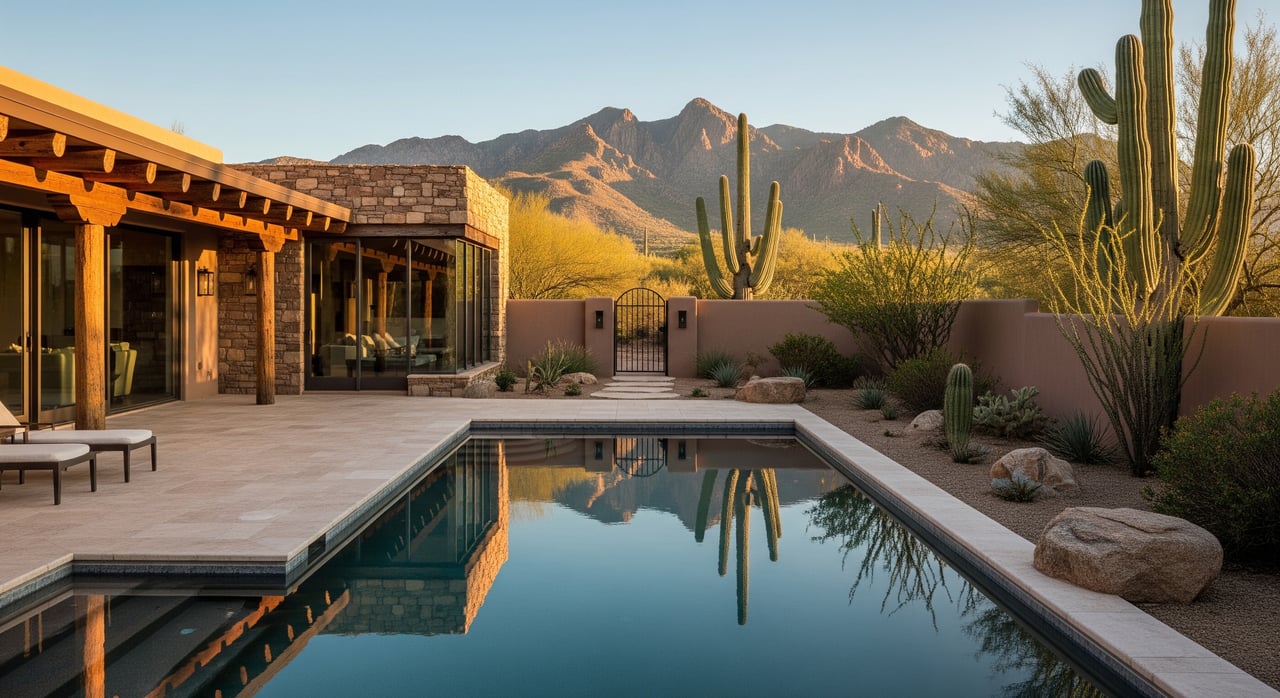
Catalina Foothills sits along the southern and eastern slopes of the Santa Catalina Mountains north of central Tucson. Many neighborhoods offer elevated lots, panoramic views, and easy access to desert recreation. Gated enclaves add controlled access, reduced traffic, and a curated neighborhood feel.
You’ll find everything from club-centered golf communities to quiet custom-estate streets. Prices and lot sizes generally run higher than the Tucson median, and the mix of privacy, views, and amenities is a strong draw for move-up and luxury buyers.
Community types to compare
Resort and golf club living
- What it offers: Access to private or semi-private golf, clubhouses, dining, fitness centers, pools, and an active social calendar. Club dues are separate from typical HOA fees.
- Who it fits: You want a club-centered lifestyle and planned social events, with options for both larger custom estates and lock-and-leave patio or condo homes.
- Common examples cited: Areas by Ventana Canyon and the Skyline Country Club area. Verify current gate boundaries and membership details before you decide.
Custom-estate gated enclaves
- What it offers: Larger lots, custom architecture, dramatic city and mountain views, and a focus on privacy. Many homes are sited on hillsides to capture views.
- Who it fits: You value space, design flexibility, and low-turnover streets over shared amenities.
Gated subdivisions with shared amenities
- What it offers: Smaller neighborhoods with community pools, walking paths, or small parks, plus private gates for traffic control. Not every community has a guardhouse.
- Who it fits: You want a balance of community features and privacy without full country club commitments.
Trail and hillside clusters
- What it offers: Gated pockets near open space with design guidelines that preserve views and blend homes with the landscape. Access to places like Sabino Canyon and nearby trail networks can be a highlight.
- Who it fits: You prioritize outdoor access, scenic surroundings, and community rules that protect the natural setting.
Note: Neighborhood names and gated boundaries change over time. Always confirm gate status and HOA lines with current MLS information or the listing agent.
Home styles and lot expectations
Architectural styles you’ll see
- Southwestern and Spanish Revival with stucco exteriors, tile roofs, courtyards, and shaded patios.
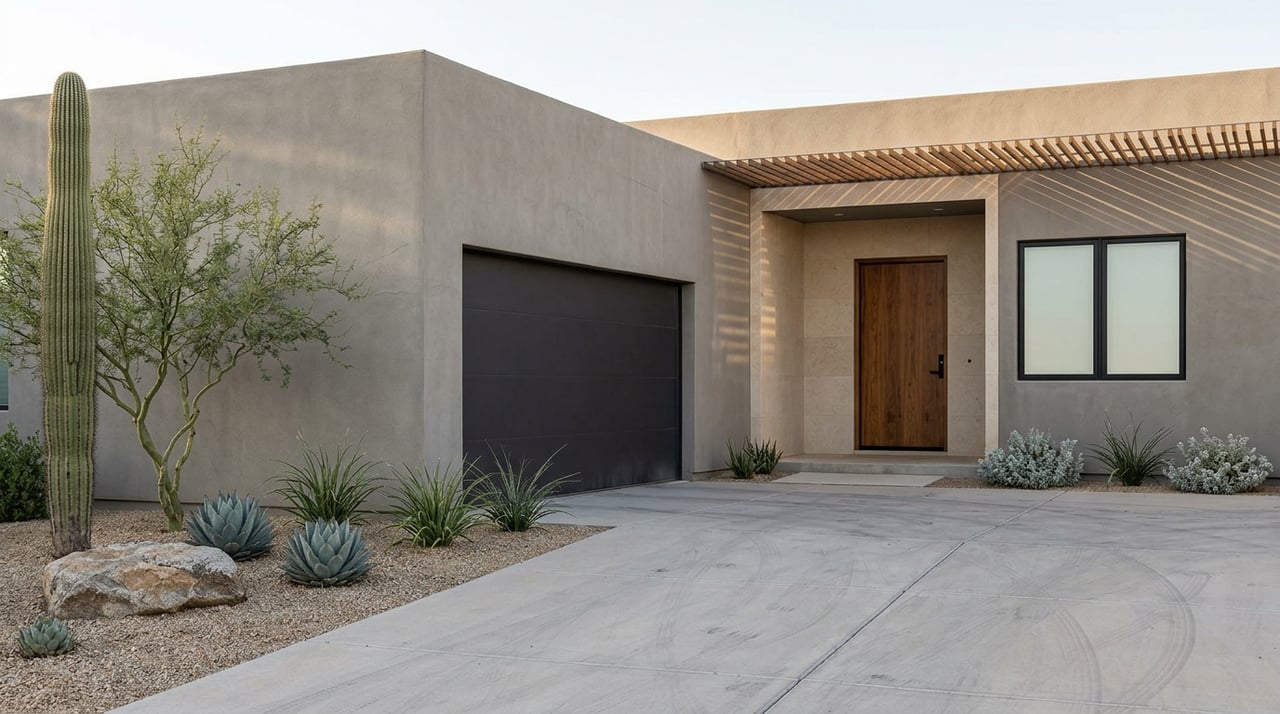
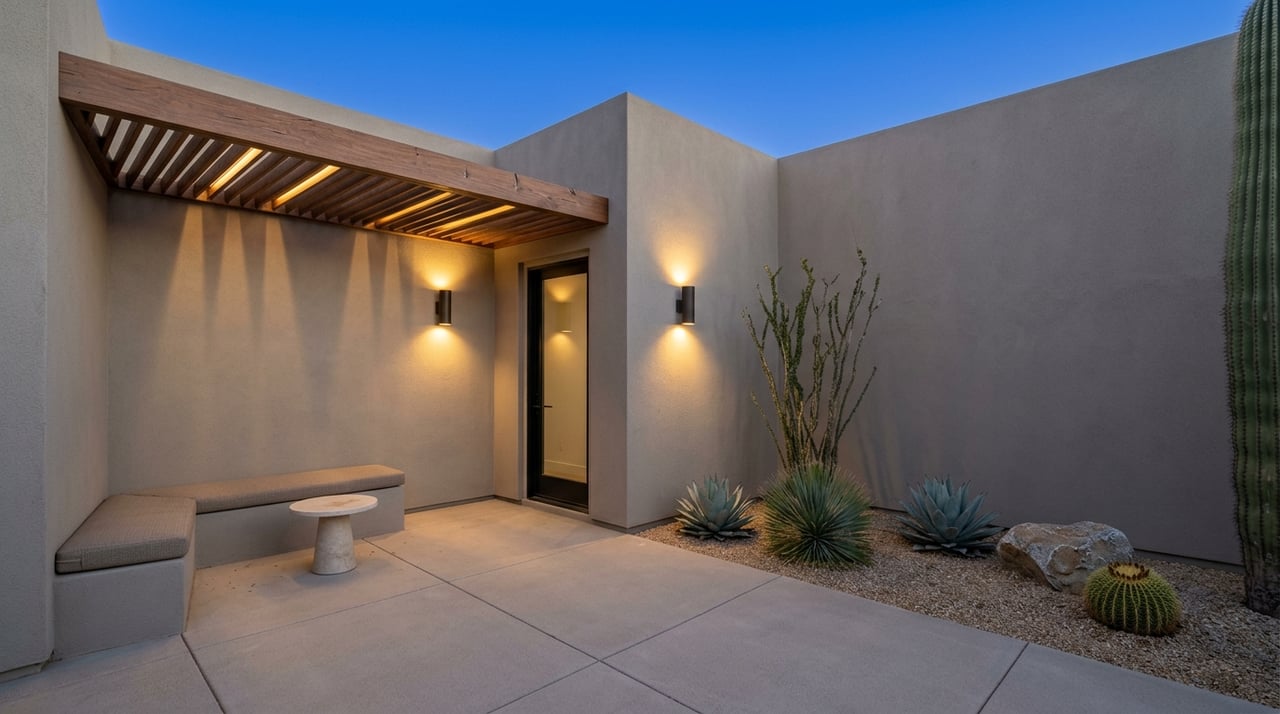
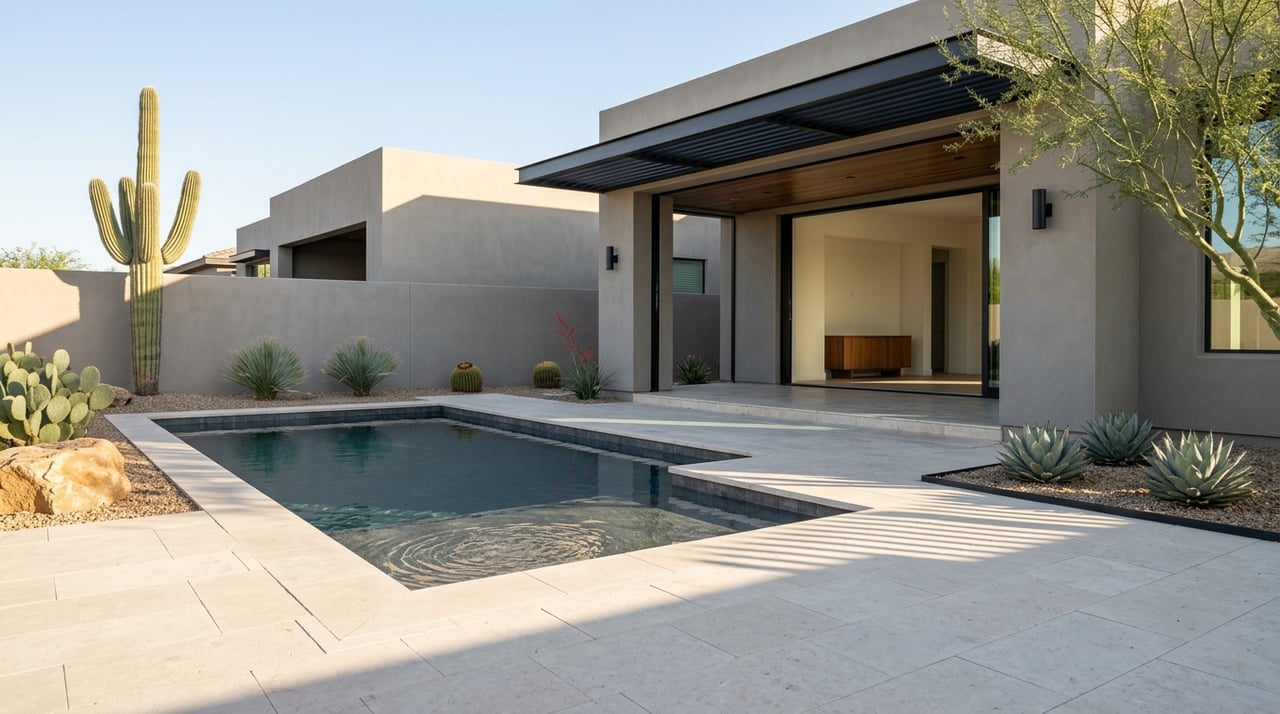
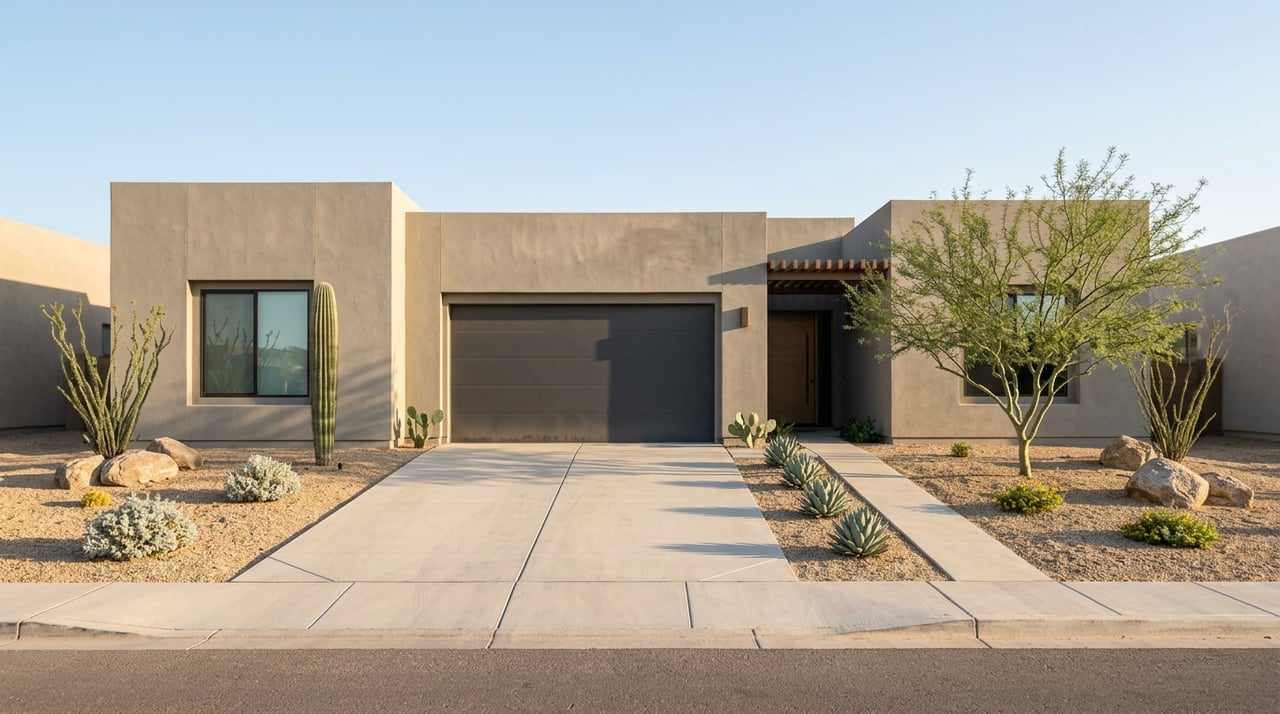
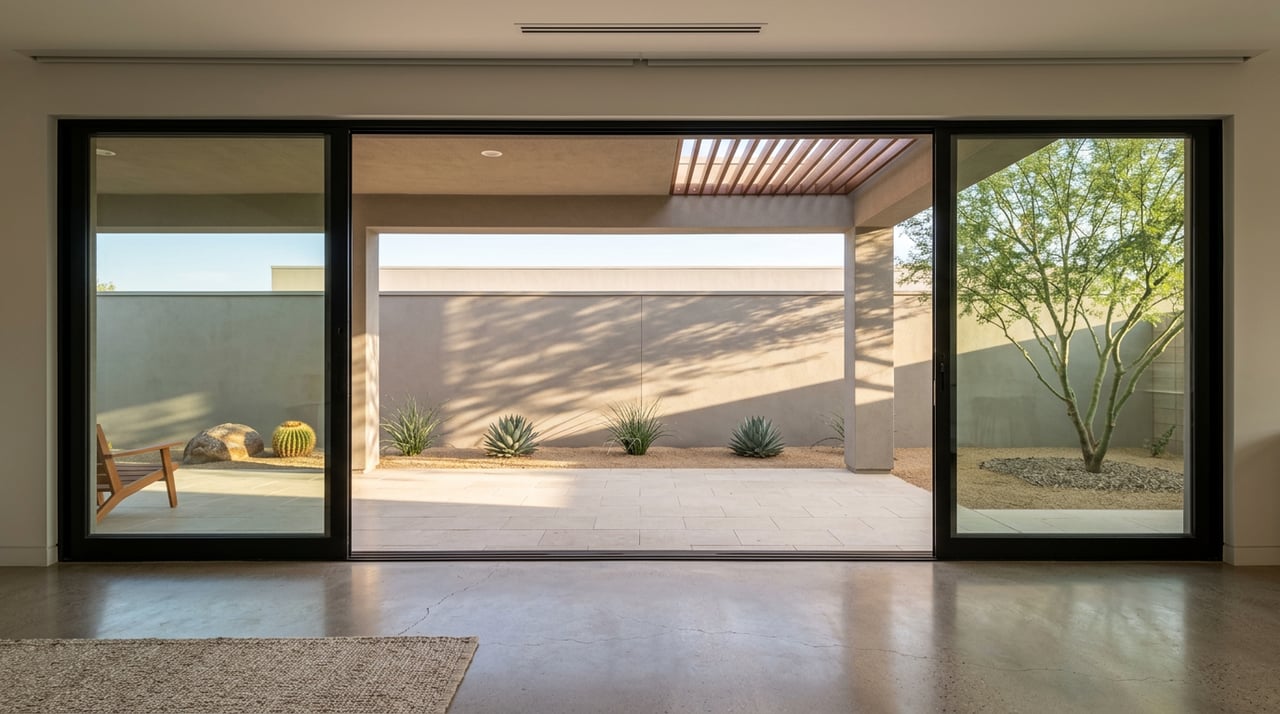
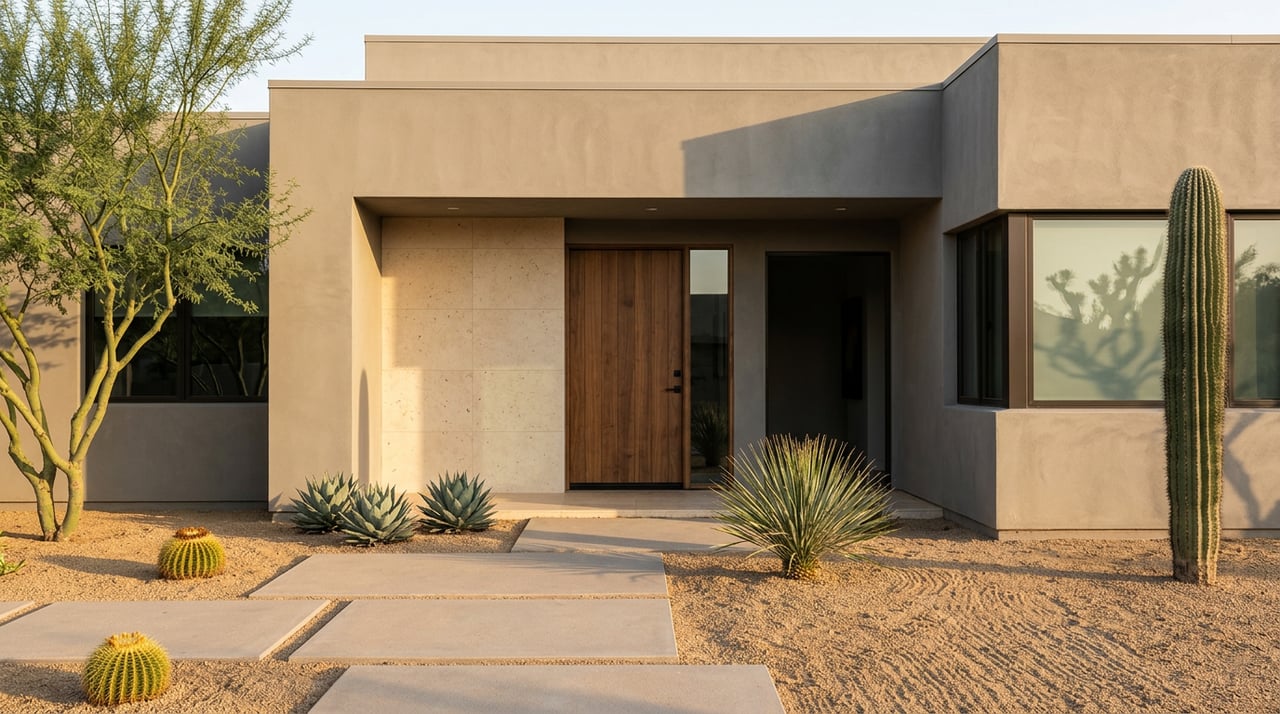
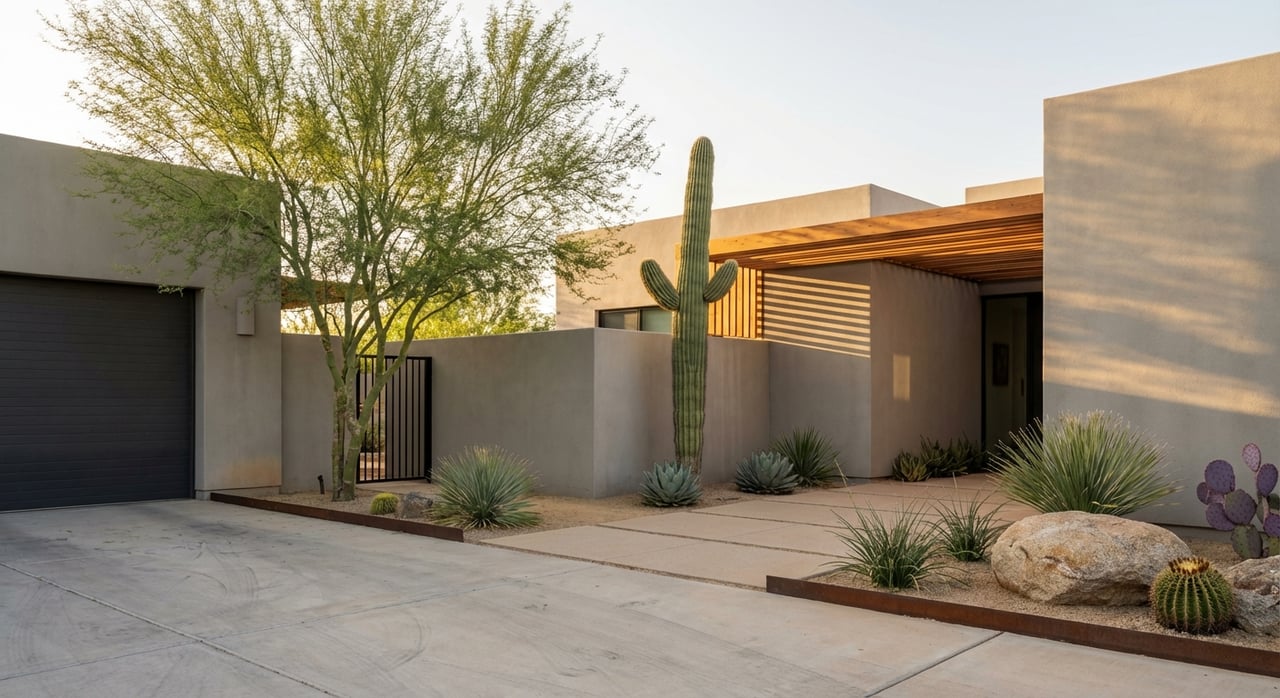
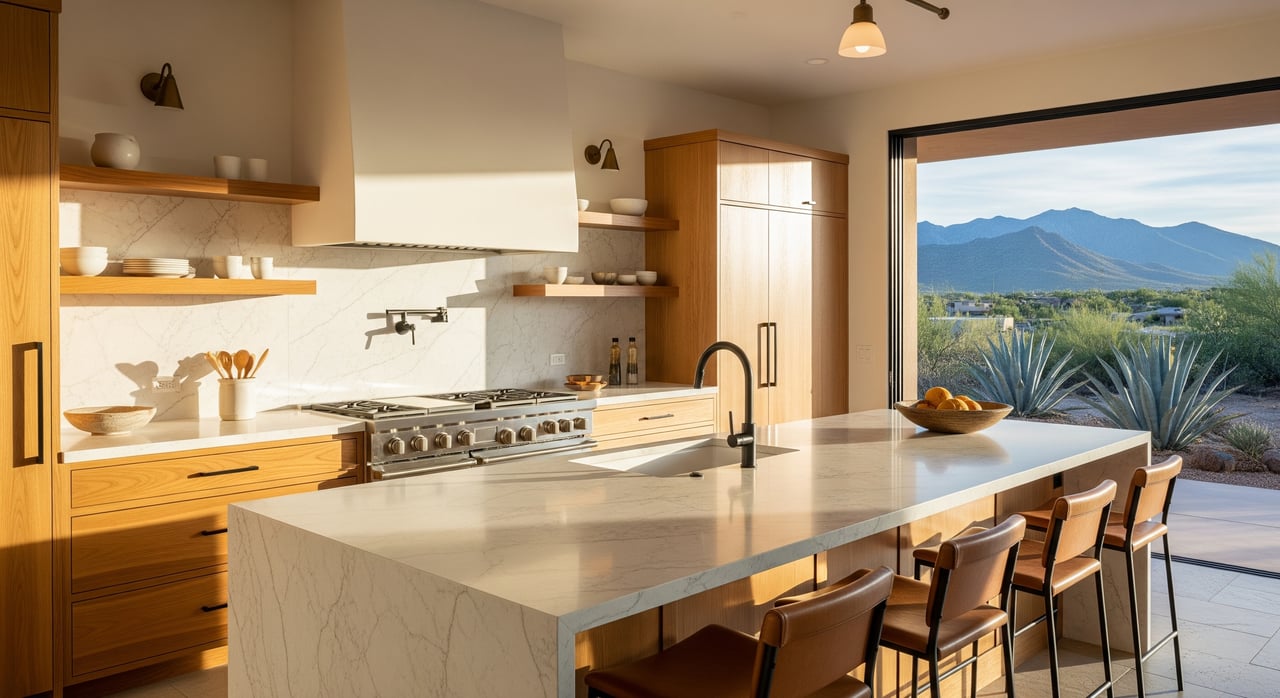
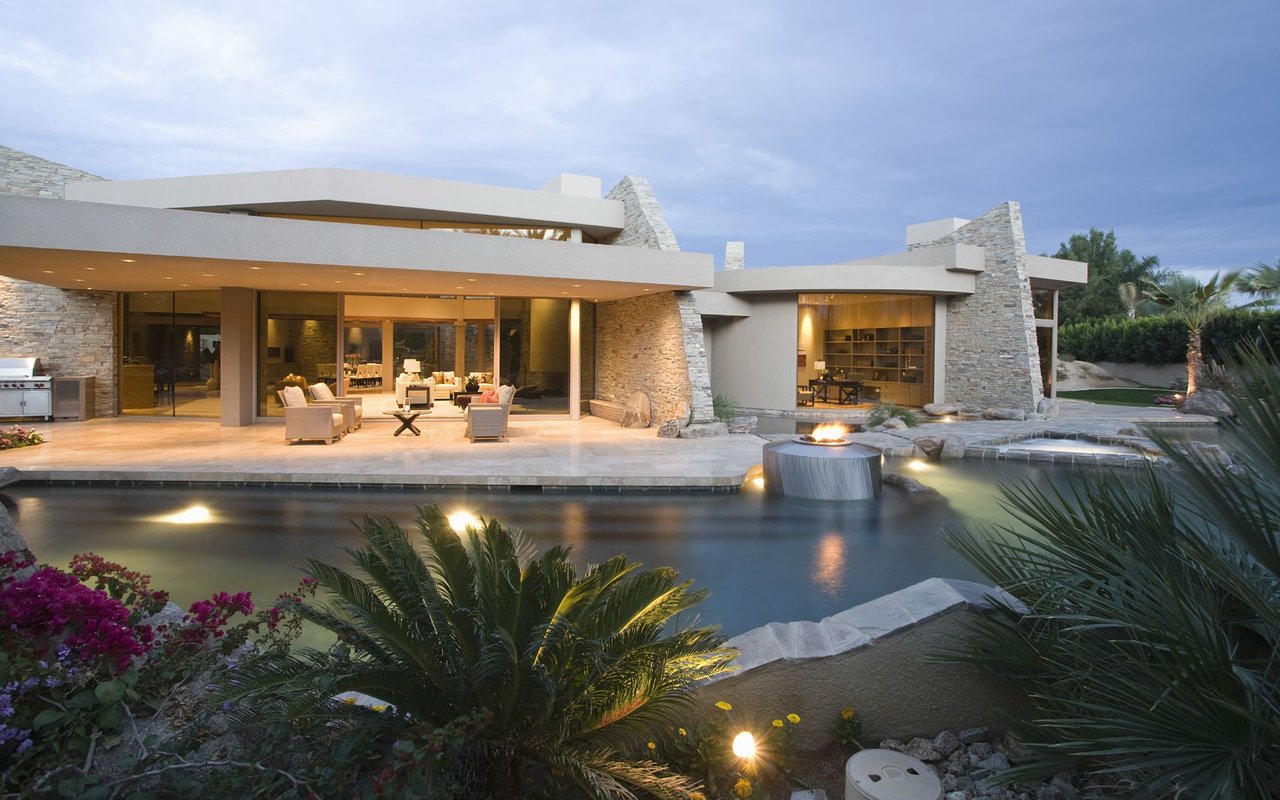
- Contemporary and desert modern with clean lines, large windows for view corridors, and indoor-outdoor living.
- Ranch and mid-century profiles on wider lots, sometimes remodeled.
- Custom estates that blend styles and feature private pools, casitas, and high-end finishes.
Typical lot sizes
- Smaller gated subdivisions: roughly 0.25 to 0.75 acres.
- Estate enclaves and custom view lots: 0.5 to several acres, with 1 acre or more common on premium sites.
- Hillside parcels: expect slope considerations, drainage engineering, and architectural planning to fit the terrain.
Onsite features buyers expect
- Private pools and spas, outdoor kitchens, ramadas, and covered patios.
- Multi-car garages, storage, and guest casitas.
- High-end finishes like stone, custom millwork, and large-format tile.
- Desert-friendly landscaping with drip irrigation.
Lifestyle and amenity benefits
- Security and privacy from controlled vehicle access and limited cut-through traffic.
- Quieter streets and protected view corridors in many enclaves.
- Onsite amenities that may include golf, tennis, fitness centers, clubhouse dining, community pools, and walking paths.
- Social connections through club events or neighborhood groups.
- Proximity to Tucson dining, culture, and services, with mountain recreation close by.
HOA and CC&R essentials
Strong associations help protect neighborhood standards and long-term value. Before you write an offer, plan to review the HOA’s rules, finances, and recent decisions.
Documents to request early
- CC&Rs, bylaws, and rules and regulations
- Current budget, reserve study, and financial statements
- Recent board and member meeting minutes
- Insurance coverages and certificates
- List of special assessments within the last 5 years
- Any pending litigation involving the HOA
Fee structures and extra costs
- Monthly or quarterly HOA dues vary based on services and amenities.
- Club or capital dues for golf and social membership are often separate from HOA fees and may be optional or required.
- Special assessments can arise for major repairs or amenity upgrades. Review the reserve study and past assessments for patterns.
- Ask how roads, gates, landscaping, and common utilities are maintained and funded.
Common rules to understand
- Architectural review and timelines for exterior changes or additions
- Rental policies, including short-term rentals
- Pet rules on size, number, and leash areas
- Landscaping and water-wise requirements, including approved rock and plant palettes
- Exterior lighting, signage, and home-based business rules
Arizona disclosure context
Arizona requires sellers and HOAs to provide certain disclosures. For high-value purchases, consider having a real estate attorney review HOA documents to flag unusual covenants or risks.
Site and environmental checks
Hillside living comes with unique terrain and climate factors. Build these into your due diligence.
Wildfire risk and defensible space
Many foothills parcels sit in higher wildfire-risk areas. Ask about brush clearance policies, fuel management, and any firewise landscaping standards in the HOA. Learn the steps for creating defensible space and hardening the home.
Drainage, erosion, and rockfall
Steep lots often need engineered drainage, retaining walls, and careful siting. Review any geotechnical reports, permits, or recorded conditions if you plan to build or remodel.
Access and road maintenance
Some communities maintain private roads and gates. Confirm the condition, reserve funding for resurfacing, and how steep grades may affect daily driving and emergency access.
Utilities and septic versus sewer
Many properties connect to municipal services, but not all. Verify water, sewer, power, and any septic inspection requirements for a specific parcel.
View protections and easements
Views are a major value driver. Check CC&Rs and recorded easements for any height limits, construction rights on adjacent parcels, or view corridor guidelines. Understand that legal protection of views is limited in many cases.
Pricing and resale drivers
- Gated status, view lots, and club amenities often add a premium compared to non-gated areas.
- True custom estates and multi-acre parcels tend to command higher prices per square foot.
- Strong resale signals include well-kept common areas, steady reserves, and a low history of special assessments.
- Access to trails, services, and commuter routes can broaden buyer appeal.
- When comparing communities, include both HOA and club dues to understand total monthly costs.
Buyer checklist for a Foothills gated purchase
Verify gated boundaries, gate hours, and guest or contractor access procedures.
Request the full HOA packet and have your agent and, if needed, an attorney review it.
Confirm all HOA dues and any separate club fees. Ask about historical increases.
Inspect drainage features, wildfire mitigation, and the condition of private roads.
Review rental and short-term rental rules if income flexibility matters to you.
Confirm school assignments and travel times to services such as groceries, medical care, and the airport.
For hillside or view lots, consider ordering a geotechnical report and slope review before closing.
Visit at different times of day and evening to assess traffic, noise, and gate operation.
Check county records for easements, encumbrances, and any code enforcement items.
How we help you compare communities
Choosing the right gated enclave is about matching your lifestyle to the neighborhood’s rules, terrain, and amenities. You get local guidance on HOA standards, wildfire and drainage concerns, and the differences between club and non-club communities. With bilingual service and a tech-forward approach, you can tour virtually, compare carrying costs, and move with confidence.
If you want privacy, views, and a smooth process from search to closing, connect with Lorenia Ruiz for a complimentary consultation.
FAQs
What defines a gated community in Catalina Foothills?
- It is a neighborhood with controlled vehicle access and private streets, sometimes with guards or timed gates. Always confirm the current gate setup through listing documents.
How do HOA dues differ from club dues?
- HOA dues typically cover neighborhood operations like gates, roads, and common landscaping. Club dues are separate and apply to golf, fitness, dining, or social memberships.
Are short-term rentals allowed in gated enclaves?
- Policies vary. Many HOAs regulate rental length and frequency, and some restrict short-term rentals. Review the CC&Rs and rules before you buy.
What should I know about wildfire risk near the mountains?
- Expect brush clearance and defensible-space requirements. Ask the HOA about firewise standards and confirm insurance considerations for hillside locations.
Do all gated communities offer golf or resort amenities?
- No. Some focus on quiet custom estates with privacy and views, while others center on golf, dining, and social activities. Choose based on how you plan to use the amenities.