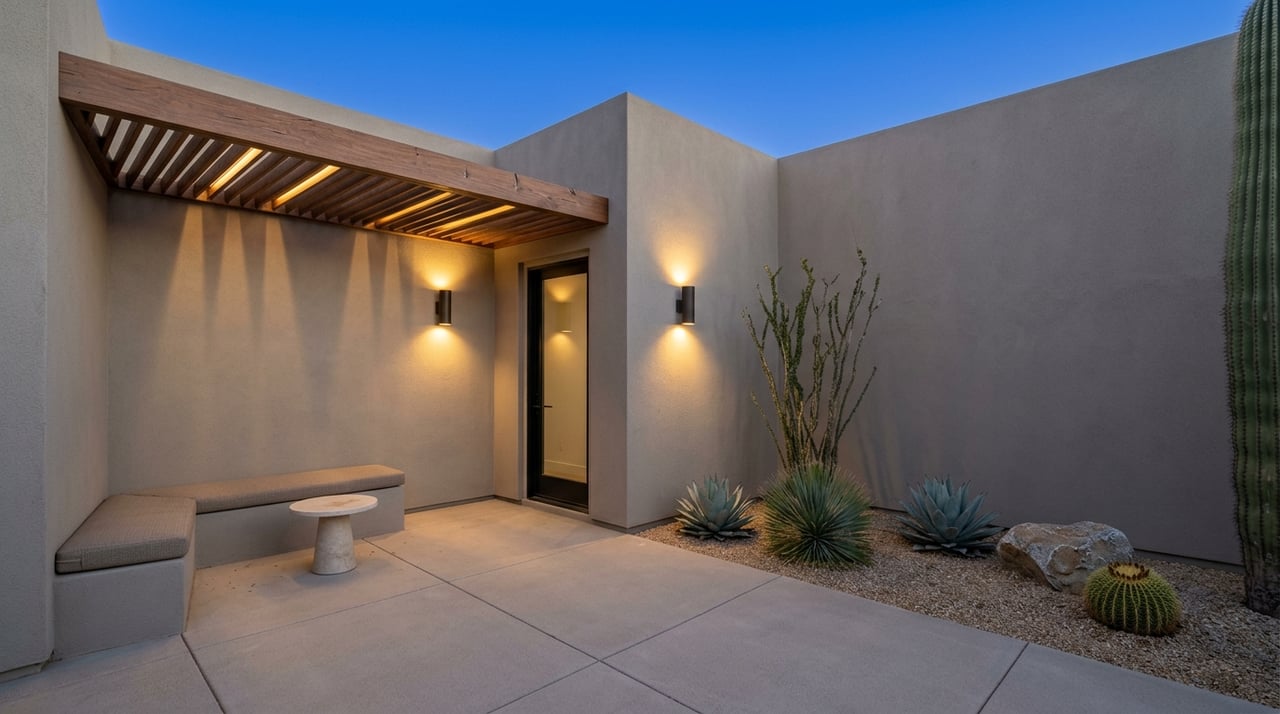
What To Expect From A Scottsdale Second-Home Lifestyle
April 23, 2026
April 23, 2026
If you are thinking about a second home in Scottsdale, you are probably not just buying square footage. You are buying into a pattern of living that feels part resort, part retreat, and part easy seasonal escape. Knowing what daily life actually looks like can help you decide whether Scottsdale fits the way you want to use a second home. Let’s dive in.
Scottsdale’s official tourism profile paints a clear picture of the city’s lifestyle. It highlights 43% open space, a 35,500-acre preserve, more than 70 hotels and resorts, 50+ spas, 800+ restaurants, 100+ art galleries, nearly 100 public artworks, and two art museums, according to Experience Scottsdale research.
For you as a second-home buyer, that matters because the city often feels less like a standard suburban market and more like a destination with residential pockets. In practical terms, your time there may naturally center on dining out, wellness, outdoor time, and easy access to entertainment.
One of the biggest draws of a Scottsdale second home is how easy it can be to step into vacation mode. You can spend a morning outdoors, an afternoon at a spa or golf course, and an evening at a restaurant or gallery without needing a packed itinerary.
That rhythm is especially visible in Old Town. According to Experience Scottsdale’s Old Town fact sheet, Old Town includes nine walkable and bikeable districts with 100+ restaurants, more than 30 galleries, nightlife, shopping, and historic sites.
If you want a second home that supports short stays, spontaneous weekends, or seasonal living, that kind of compact amenity base can be a real advantage. You may not need to plan every outing in advance because so much is already close at hand.
A second home works best when getting there feels simple. Scottsdale benefits from convenient regional access, which can make a big difference if you plan to use the property for weekends, winter stays, or flexible work trips.
Experience Scottsdale notes that Scottsdale Airport is about nine miles north of Old Town, while Phoenix Sky Harbor offers broad domestic and international service. For out-of-state buyers and seasonal owners, that accessibility helps make the market easier to manage and enjoy.
If golf is on your must-have list, Scottsdale has one of the strongest lifestyle identities in the region. This is not a city where golf feels like a side amenity. It is a core part of how many owners spend their time.
According to Scottsdale’s golf fact sheet, the city offers 1,223 holes across 51 golf courses, along with 330+ days of sunshine and a year-round median average temperature of 70 degrees. Well-known courses include TPC Scottsdale, Troon North, Grayhawk, The Boulders, The Phoenician, and Mountain Shadows.
The city’s golf identity also shapes its social calendar. The WM Phoenix Open at TPC Scottsdale draws more than 700,000 annual spectators, reinforcing how tied the market is to golf, events, and winter activity.
Even if you do not play golf, Scottsdale’s landscape is a big part of the appeal. The city’s large open-space footprint and the McDowell Sonoran Preserve support a lifestyle that feels connected to the desert rather than closed off from it.
That can influence the kind of second home you want. Some buyers prioritize lock-and-leave convenience near dining and events, while others want a quieter setting with strong access to trails, views, and open desert surroundings.
A Scottsdale second home can also work well if you want your time away to feel active and social. The city offers a steady mix of restaurants, galleries, public art, and seasonal events that give owners plenty to do without having to travel far.
Old Town remains the clearest center of that activity. In addition to museums, galleries, and nightlife, Scottsdale’s longstanding Thursday-night ArtWalk has been running since 1975, as noted in Experience Scottsdale’s Old Town materials.
Scottsdale also hosts large annual events that shape the second-home season. Official sources highlighted examples such as Barrett-Jackson’s Scottsdale Auction in January 2026, the WM Phoenix Open in February 2026, Canal Convergence, and Scottsdale Family ArtsFest on March 6-7, 2026.
For you, that means winter and early spring can feel especially lively. If your goal is to maximize use during the most active part of the year, Scottsdale’s event calendar is a meaningful lifestyle advantage.
Every second-home market has tradeoffs, and in Scottsdale, summer heat is one of the biggest. That does not make the market less appealing, but it does shape how many owners actually use their homes.
According to NOAA climate normals, Scottsdale averages 73.3°F annually with 8.73 inches of precipitation. The same data shows a July mean of 93.4°F, which helps explain why the second-home lifestyle tends to feel most comfortable in winter and shoulder seasons.
In real life, that means your ownership calendar may be seasonal even if your property is available year-round. Many buyers love Scottsdale most from fall through spring and plan their home setup accordingly.
If you will not live in Scottsdale full time, ease of ownership should be part of your decision from the start. The lifestyle works best when you think beyond the home itself and consider how the property will be checked, secured, and maintained while you are away.
The City of Scottsdale offers a Vacation Watch Request through Scottsdale Police, which residents submit 48 to 72 hours before departure. The city also recommends practical steps like using timers, installing security systems, and holding mail and newspapers.
Those details may sound small, but they are central to a positive second-home experience. A lock-and-leave property tends to feel much more enjoyable when you have dependable systems in place before your first long absence.
Some second-home buyers like the idea of offsetting costs with occasional rental income. If that is part of your plan, it is important to verify the local framework before you buy.
Scottsdale has a vacation and short-term rental licensing framework, according to the city. That means you should confirm current local requirements instead of assuming any property will fit your intended use.
Because Lorenia Ruiz serves second-home and relocation clients with strong roots in Southern Arizona, it is helpful to think about Scottsdale in context. Based on official tourism materials, Scottsdale comes across as the denser resort-and-lifestyle market, with a strong focus on golf, resorts, restaurants, galleries, and a compact social core.
The research report notes that Tucson’s official materials lean more toward its UNESCO City of Gastronomy identity, extensive trail network on The Loop, and destination resorts. That is not a formal ranking, but it is a useful lifestyle distinction if you are choosing between Arizona second-home options.
Scottsdale also runs hotter and drier overall than Tucson, based on the NOAA data cited above. If your ideal second home revolves around winter energy, frequent dining out, golf access, and a resort-style rhythm, Scottsdale may feel like the stronger fit.
The most realistic expectation is this: Scottsdale offers a polished, amenity-rich second-home lifestyle that is especially appealing in winter and spring. You can expect easy access, a resort-like atmosphere, strong golf and wellness culture, and a social calendar built around dining, arts, and events.
You should also expect to plan for summer heat and part-time ownership logistics. Buyers who are happiest here usually go in with a clear picture of how often they will visit, what season matters most, and how they will manage the home while away.
If you are comparing Arizona second-home options and want thoughtful guidance on lifestyle fit, property strategy, and long-term use, Lorenia Ruiz can help you explore your options with a practical, high-touch approach.
Whether you're buying your first home or building long-term wealth through real estate, Lorenia simplifies the process and empowers you to achieve your goals with confidence. Let’s connect and explore tailored solutions that bring your property dreams to life.
8387 N ORACLE RD STE 100 TUCSON AZ 85704